
Unlock Your Property’s Potential: Why 2026 is the Year of the Retrofit Residential Elevator
- Melissa C

- Feb 9
- 3 min read
The real estate headlines in 2026 are clear: new developments are slowing down, inventory is tight, and high interest rates have made moving a costly proposition. For many homeowners, the "climb the property ladder" strategy has been replaced by a new philosophy: "Improve, don't move."

If you love your current neighborhood but are worried about the long-term functionality of a multi-story home, you are facing a common dilemma. Do you sell and downsize now, or stay and renovate?
In this economic climate, retrofitting your existing home with a residential elevator is often the smartest financial move you can make. Here is why the current housing slowdown provides the perfect window of opportunity to install a home elevator.
1. Instant Equity in a Stagnant Market
In a booming market, rising tide lifts all boats. In a slower market, you have to manufacture your own appreciation. This is where "functional luxury" comes into play.
While cosmetic renovations like a new kitchen are nice, they are subjective. Accessibility, however, is a universal asset. Installing a home elevator creates a unique selling proposition that sets your home apart from every other listing in your postal code.
The Appraisal Bump: Real estate appraisers increasingly view home elevators as a high-value asset, with data suggesting they can add significant value to a property’s resale price—often recovering a massive portion of the installation cost.
Widen Your Buyer Pool: When you eventually do sell, your home becomes an option for wealthy retirees, multi-generational families, and buyers with mobility needs who would otherwise skip a two-story property. You are effectively "unlocking" your home for the wealthiest demographic of buyers.
2. The Cost of Moving vs. The Cost of Elevating
The math of moving in 2026 is painful. Between land transfer taxes, real estate commissions, legal fees, and moving costs, the "transaction friction" of buying a new house can easily exceed $60,000 to $100,000—and that’s before you even pay for the new house.
Compare that to the cost of a retrofit elevator. In many cases, you can install a state-of-the-art pneumatic or hybrid drive elevator for less than the cost of selling your home.
Keep Your Mortgage: By staying put, you avoid refinancing into today's higher rates.
Keep Your Neighborhood: You don't have to leave the community, doctors, and friends you trust just to avoid the stairs.
3. Beat the Construction Rebound
Right now, there is a lull in new construction starts. Developers are pausing big projects, which means the supply chain for elevator parts and specialized labor is more accessible than it has been in years.
Faster Timelines: With fewer massive condo towers monopolizing resources, residential lead times are shorter.
Better Attention: You get the "A-Team." During a boom, contractors are stretched thin. During a slowdown, you get the best installers and more dedicated project management.
4. Retrofitting is Cleaner Than Ever
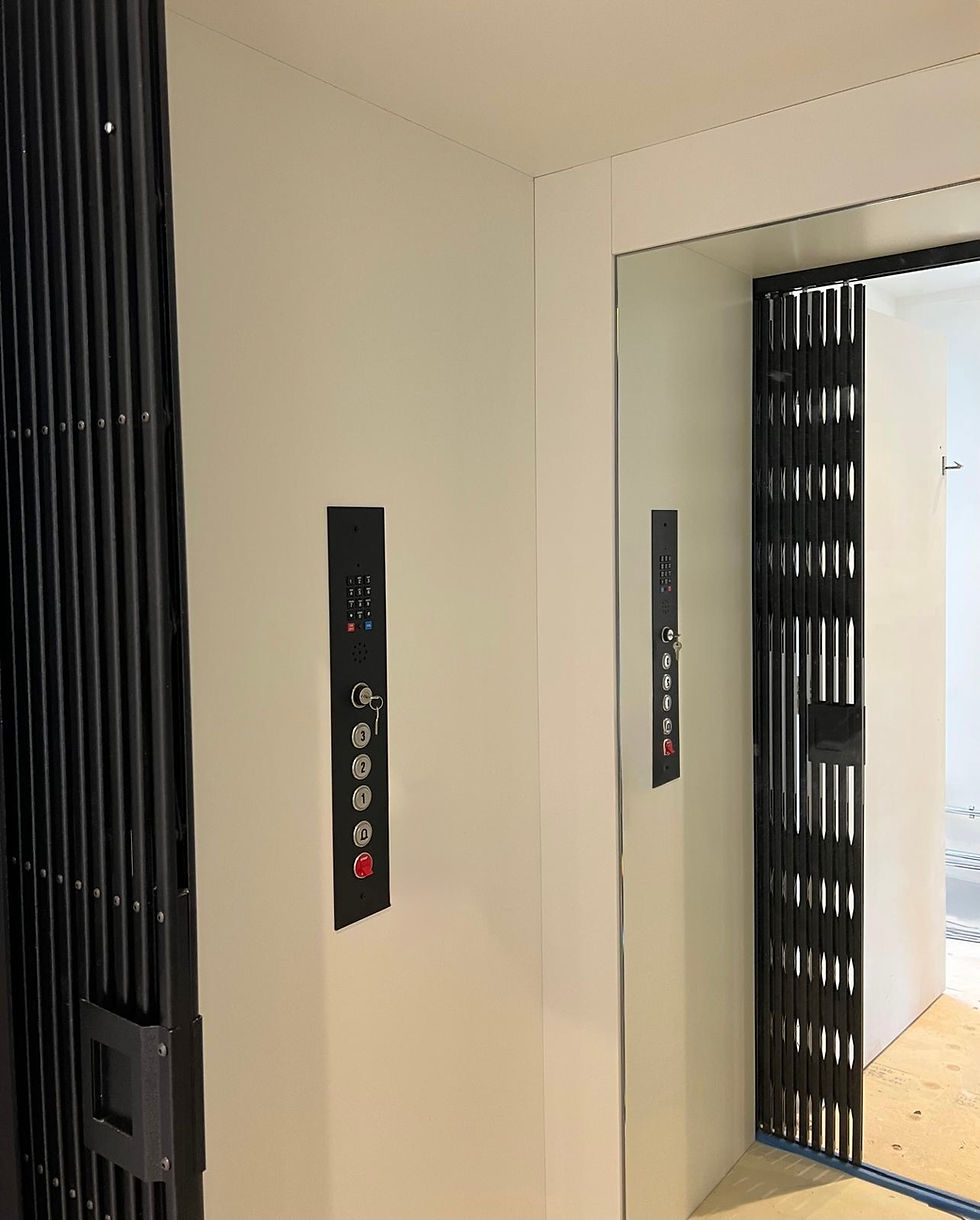
A common misconception is that adding an elevator requires tearing your house apart for months. Modern technology has changed the game.
Shaftless & Pneumatic Models: These units are designed specifically for existing homes. They often require no deep pit and no machine room, meaning they can be installed in days, not weeks.
Small Footprint: Modern residential elevators can fit into spaces as small as a standard closet, preserving your square footage while maximizing utility.
5. Future-Proofing for "Aging in Place" with a Retrofit Residential Elevator
The concept of the "Forever Home" is trending for a reason. Most people want to age in their own homes, but stairs eventually become the enemy.
Installing an elevator now—before you strictly need it—transforms your home into a safe, permanent sanctuary. It eliminates the risk of carrying heavy laundry, luggage, or groceries up and down stairs, making daily life safer for everyone from toddlers to grandparents.
The Bottom Line
Don't wait for the perfect bungalow to hit the market. Build the perfect home right where you are.
By taking advantage of the current development slowdown to install a home elevator, you aren't just buying a piece of machinery; you are buying the freedom to stay in the home you love, while actively increasing its value in a competitive future market.
Ready to future-proof your home?
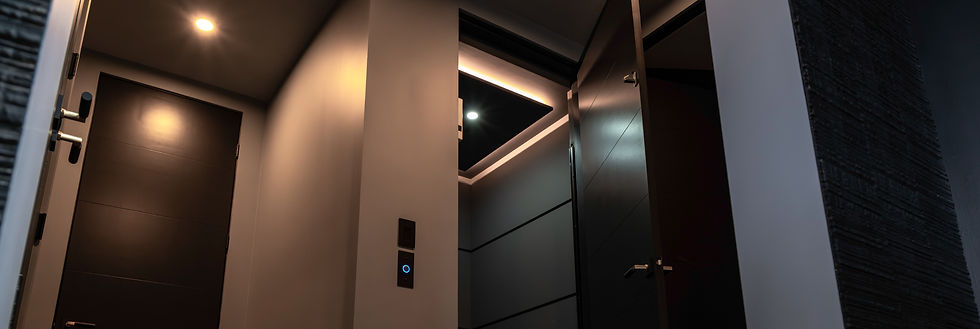
Contact us today to discuss which model—from luxury glass cabs to space-saving shaftless lifts—is right for your home’s unique layout.

Comments