
“I Can’t Sell My House!” The Secret to Showing Buyers Your Home’s Future Potential

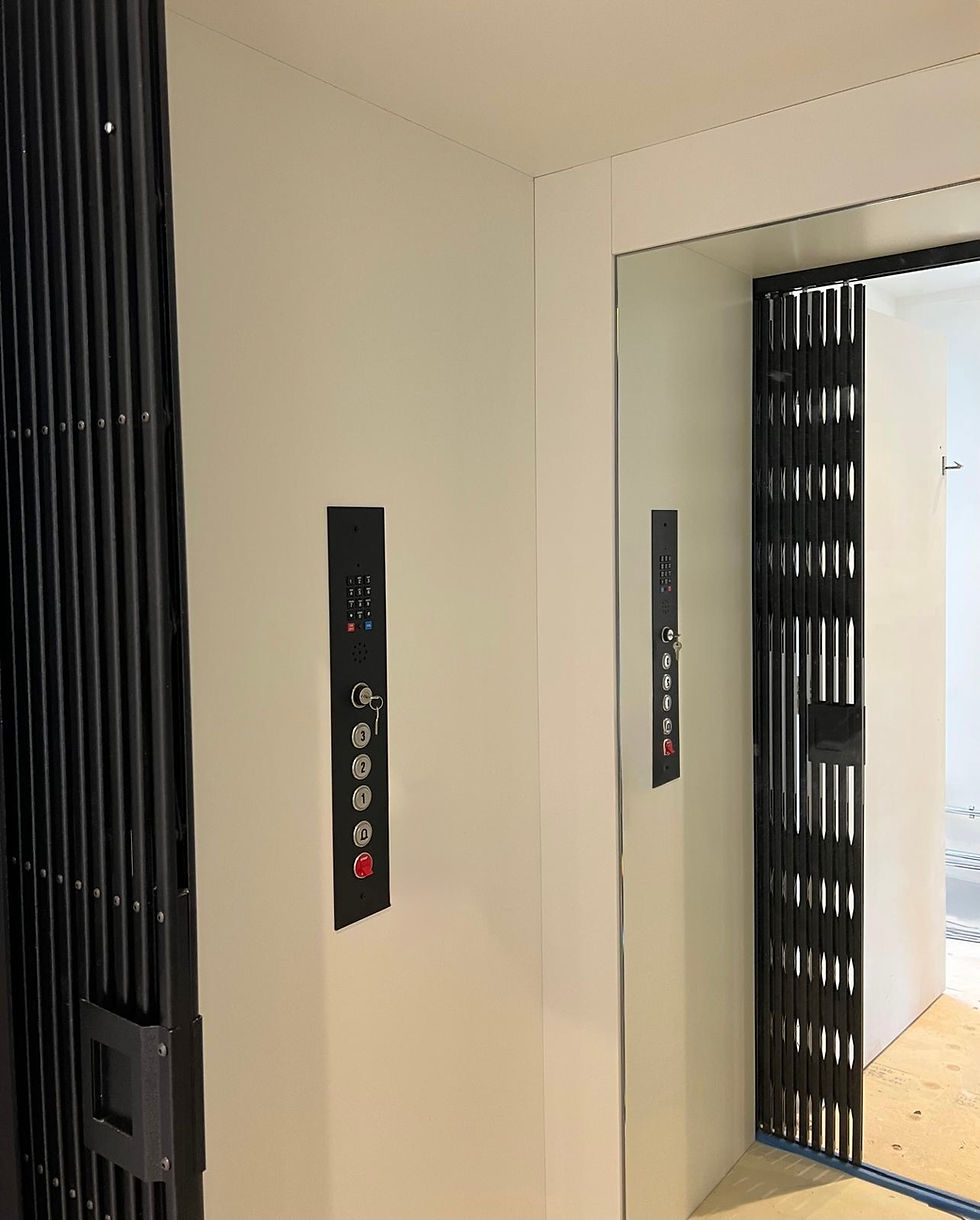
If your home is sitting on the market in the GTA, Waterloo Region, or Muskoka, the "stair barrier" might be the hidden reason. To move a stale listing, you need to show buyers how the home can grow with them. Even if you aren't ready to install a lift, earmarking space—like stacking closets or designating a floor plan for a future Aurora home elevator—is a powerful marketing tool. Providing potential buyers with professional plans for a future Ascenda shaftless lift proves the home is future-proofed, attracting the affluent "forever home" buyer and justifying a higher asking price. In the Greater Toronto Area and Southwestern Ontario, home Elevator prices are very similar to new car prices in Ontario. A home elevator starts at $35,000 (installation included) for standard options and up to $75,000 or more for custom options and finishes.
It’s a tough spot to be in. You’ve had the open houses, the price drops, and the feedback that your home is "beautiful, but not quite right." In 2026, many Ontario buyers are looking for homes they can stay in for thirty years, not five. If your multi-level home doesn't clearly show how it can handle aging-in-place, you are losing out on the wealthiest demographic in the country.
If you are shouting, "I can't sell my house!" the solution might not be a new kitchen. It might be showing the vertical potential of your property.
Here is how "earmarking" for an elevator can turn a stale listing into a high-demand property.
1. The "Elevator Closet" Strategy One of the most effective ways to show potential is through "closet stacking." By showing a buyer that the closets on each floor align perfectly, you are showing them a ready-made elevator shaft. We see this all the time in custom builds around Niagara-On-The-Lake and the GTA. When you point this out in your listing—or even have a Sabre Elevator professional provide a "feasibility letter"—you take the stress of a future renovation off the buyer’s plate.
2. Providing the "Future Proof" Floor Plan Don't just tell them it's possible; show them. Having a set of possible plans for a future Aurora home elevator on the kitchen counter during a showing is a massive confidence booster. It tells a couple in their 50s or 60s, "You can buy this home today, and whenever you're ready, the solution is already mapped out." It shifts the home from a "maybe" to a "definitely."
3. The No-Pit Advantage (Shaftless Plans) For many older homes in Ontario, buyers fear that an elevator requires digging into the foundation—a costly and messy nightmare. By showcasing plans for an Ascenda shaftless elevator, you prove to the buyer that a retrofit is simple. Since the Ascenda requires zero pit and no hoistway, you can show them exactly how it would tucked into a corner of the living room or den with minimal construction.
4. Eliminate the "Regulatory Fear" Many buyers (and some realtors) mistakenly think that home elevators come with a mountain of red tape. You can add value to your listing by clarifying that the TSSA does not inspect private residential elevators in Ontario. This makes the idea of a future lift feel much more attainable and less like a commercial headache.
Turn Your Home into a "Forever Home" If your house isn't selling, it’s because the buyers can't see themselves there in 10 years. By earmarking space or providing a future-ready plan, you aren't just selling a house; you're selling a lifelong sanctuary.
Want to show your buyers the potential? Contact our Ayr office to get a feasibility assessment or a professional plan for your listing. You can also use our Instant Pricing Tool to give them an idea of the costs for a future upgrade.

Frequently Asked Questions: Future-Proofing for Sale
Does just having "plans" for an elevator really help sell a house? Yes. In a competitive market, certainty is a commodity. By providing professional plans for a future Aurora home elevator, you remove the buyer's doubt about whether the home will remain accessible as they age.
What is "closet stacking" for elevators? Closet stacking is a design technique where closets are placed in the exact same location on every floor. This allows for a much easier future installation of a residential lift, as the "shaft" area is already framed and earmarked within the home's structure.
Do I need a TSSA permit to show potential for an elevator? No. In Ontario, private residential elevators do not fall under TSSA inspection or commercial permitting. This makes it very simple to market a home as "elevator-ready" or to provide plans for a future retrofit.
How much does a home elevator cost? In the Greater Toronto Area and Southwestern Ontario, home Elevator prices are very similar to new car prices in Ontario. A home elevator starts at $35,000 (installation included) for standard options and up to $75,000 or more for custom options and finishes.


Comments