
Canadian Elevator Installation Services. Professional Elevator Installation.

Elevators have become an essential part of modern buildings, providing convenience, accessibility, and efficiency. Whether you are constructing a new commercial building, upgrading an existing residential complex, or installing an elevator in a public facility, professional elevator installation is crucial. This guide explores everything you need to know about elevator installation in Canada, including the benefits, process, costs, and how to choose the right service provider.
Why Choose Professional Elevator Installation?
Choosing professional elevator installation ensures safety, compliance, and long-term reliability. Elevators are complex mechanical systems that require precise engineering and expert handling. Here are some reasons why professional installation matters:
Safety Compliance: Elevators must meet strict Canadian safety codes and standards. Professionals are familiar with these regulations and ensure your elevator passes all inspections.
Quality Assurance: Expert installers use high-quality materials and follow best practices to guarantee smooth operation and durability.
Customization: Professionals can tailor the elevator design to fit your building’s architecture and specific needs, including capacity, speed, and aesthetics.
Maintenance and Support: Many professional installers offer ongoing maintenance services, which help prevent breakdowns and extend the elevator’s lifespan.
Hiring a certified company for your elevator installation project minimizes risks and maximizes efficiency, giving you peace of mind.

The Process of Professional Elevator Installation
Elevator installation involves several stages, each requiring careful planning and execution. Understanding the process can help you prepare and communicate effectively with your installation team.
1. Initial Assessment and Planning
The first step is a thorough assessment of the building’s structure and requirements. This includes:
Measuring the available space for the elevator shaft.
Evaluating load-bearing capacity and structural modifications needed.
Discussing the type of elevator (hydraulic, traction, machine-room-less, etc.).
Determining the elevator’s capacity, speed, and features.
2. Design and Engineering
Once the assessment is complete, engineers design the elevator system tailored to your building. This phase includes:
Creating detailed blueprints and technical drawings.
Selecting materials and components.
Planning electrical and mechanical systems integration.
3. Permitting and Approvals
Before installation begins, necessary permits must be obtained from local authorities. Professional installers handle this process, ensuring all documentation complies with Canadian building codes.
4. Installation
The actual installation involves:
Constructing or modifying the elevator shaft.
Installing mechanical components such as motors, cables, and pulleys.
Setting up the control systems and safety devices.
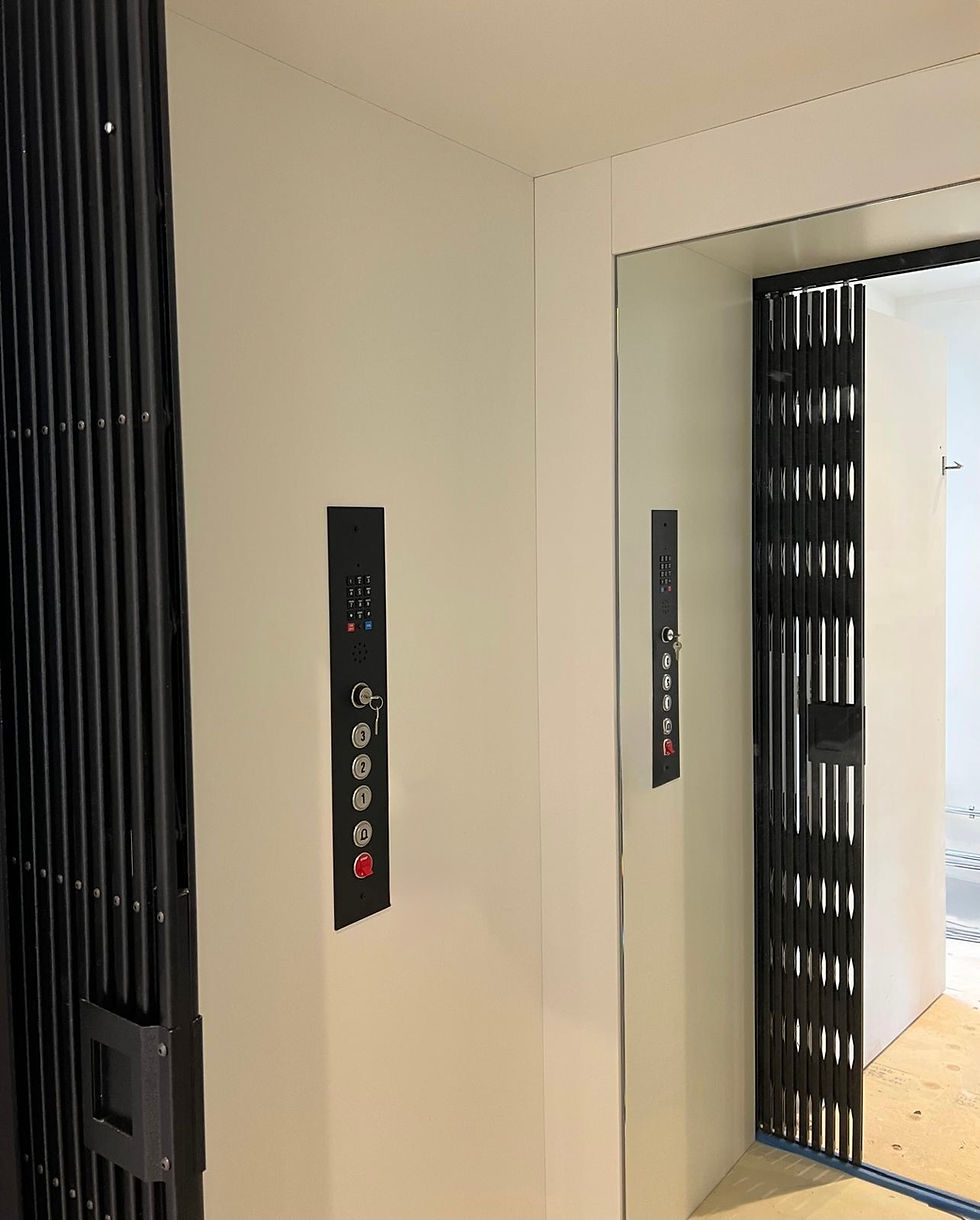
Installing the elevator car and doors.
5. Testing and Inspection
After installation, rigorous testing is conducted to verify safety and functionality. This includes load testing, emergency system checks, and smoothness of operation. Final inspections by regulatory bodies ensure compliance.
6. Handover and Training
Once approved, the elevator is handed over to the building owner. Professional installers often provide training on operation and basic troubleshooting.

What is the Average Cost of Elevator Installation?
The cost of installing an elevator in Canada varies widely depending on several factors:
Type of Elevator: Hydraulic elevators tend to be less expensive than traction elevators.
Building Structure: New constructions are generally cheaper to equip than retrofitting existing buildings.
Capacity and Speed: Larger, faster elevators cost more.
Customization: Special finishes, advanced control systems, and accessibility features add to the price.
Location: Installation costs can vary by region due to labor and permit fees.
On average, elevator costs in Canada range from $35,000 to $60,000 for a basic residential elevator. Commercial elevators can cost significantly more, sometimes exceeding $250,000 depending on complexity.
Additional expenses may include:
Structural modifications.
Ongoing maintenance contracts.
Modernization of existing elevators.
It is advisable to get detailed quotes from multiple professional installers to understand the full scope of costs.

How to Choose the Right Elevator Installation Service in Canada
Selecting the right company for your elevator installation is critical. Here are some tips to help you make an informed decision:
Experience and Reputation: Look for companies with a proven track record in Canadian elevator installation projects.
Certifications and Licensing: Ensure the installer complies with local regulations and holds necessary certifications.
Range of Services: Choose a provider that offers comprehensive services, including design, installation, and maintenance.
Customer Reviews: Check testimonials and reviews to gauge customer satisfaction.
Warranty and Support: Confirm the warranty terms and availability of after-installation support.
Transparent Pricing: Request detailed quotes and avoid hidden fees.
For reliable and expert elevator installation services, consider companies that prioritize safety, quality, and customer service.
Enhancing Building Accessibility with Elevators
Elevators play a vital role in making buildings accessible to everyone, including people with disabilities, seniors, and those with mobility challenges. Installing an elevator can:
Improve compliance with accessibility laws.
Increase property value.
Enhance convenience for all occupants.
Support aging-in-place for residential buildings.
When planning your elevator installation, consider features such as:
Braille buttons and audible signals.
Wide doors and spacious cabins.
Smooth and quiet operation.
Emergency communication systems.
Professional installers can help you select and customize elevators to meet accessibility standards and user needs.
Elevator installation is a significant investment that requires careful planning and expert execution. By choosing professional elevator installation, you ensure safety, compliance, and long-term performance. Whether for residential or commercial purposes, understanding the process, costs, and how to select the right service provider will help you make the best decision for your building. For trusted and experienced elevator installation services, always rely on certified professionals who prioritize quality and customer satisfaction.


Comments