
5 Must-Haves for Your 2026 Ontario Custom Home (Beyond the Elevator)
Modern Ontario custom homes in 2026 are prioritizing architectural continuity, invisible comfort, and future-proofing. Beyond the standard residential elevator, top designs for year-round properties now feature custom millwork that can be matched inside the elevator cab, radiant floor heating, and main-floor multi-generational suites. Together, these elements ensure your home remains fully accessible, aesthetically cohesive, and beautifully comfortable for decades to come, whether you are building in the GTA or settling into a permanent residence in North Bay.
If you are breaking ground on a custom home in the GTA, or perhaps building a permanent, year-round "forever home" in Muskoka or North Bay, you've likely spent months pouring over blueprints. By now, the heavy hitters are probably already baked into your design. In 2026, a residential home elevator is no longer an afterthought—it’s a baseline expectation for luxury properties to ensure the home is future-proofed and fully accessible.
But once the elevator shaft is drawn into the floor plan, what else should you be prioritizing? Here are five other essential "must-haves"—including specific brands and trends—that top Ontario builders are integrating into their high-end custom homes this year.
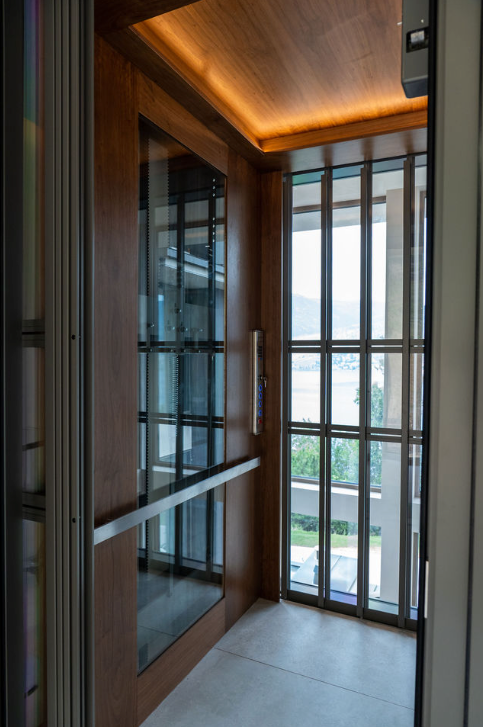
1. Custom Millwork and Natural Wood Accents The stark, ultra-minimalist white interiors of the past decade are being replaced by the warmth of "biophilic design." Homeowners are utilizing materials like rift-sawn white oak and black walnut to bring organic textures indoors. High-end local shops like Chervin Kitchen & Bath out of the Waterloo Region and Millworks Custom Manufacturing (MCM) in Toronto are in high demand for seamless, hidden-door designs where entryways blend perfectly into wood-slatted walls. Don't forget that you can carry these exact same stunning, locally crafted wood veneers directly into your Aurora home elevator to complete the custom look.
2. Spa-Grade Wellness Rooms The traditional basement gym is being replaced by dedicated wellness centres featuring saunas, steam showers, and cold plunge pools. Homeowners want a private sanctuary to decompress after a long commute on the 401 or a busy weekend up North. For authentic, locally sourced quality, builders are turning to Dundalk LeisureCraft (handcrafted right in Dundalk, Ontario) for stunning eco-friendly wood saunas, alongside premium steam bath generators from Saunacore, another world-class manufacturer based right here in Ontario. After a relaxing steam, you can step right into your Aurora home elevator for a seamless ride up to your master bedroom.
3. Radiant In-Floor Heating There is nothing quite like stepping onto a warm floor on a chilly February morning in Southwestern Ontario. Radiant heating is vastly more energy-efficient than forced air, and it provides a consistent, draft-free warmth throughout the home. For hydronic setups, builders trust Canadian In-Floor Radiant Solutions out of Burlington, while Toronto-based Heavenly Heat Inc. designs and manufactures incredible electric radiant floor heating systems engineered specifically for Canada's toughest winters. Just like radiant heating frees up your square footage, the machine-room-less design of the Aurora home elevator saves you an entire closet of space.
4. High-Performance Thermal Glazing Floor-to-ceiling windows are stunning, but if they aren't properly engineered, they will cost you a fortune in heating and cooling. Triple-pane, low-E argon windows are essential for maintaining your home's thermal envelope while letting in maximum natural light. Architects designing year-round homes are specifying high-end, locally built systems from Centennial Windows & Doors (manufactured in London, ON) and the advanced microcellular PVC frames from Nordik Windows and Doors in Hamilton. This focus on premium energy efficiency perfectly matches the low-voltage, trickle-charge technology of the Aurora home elevator.
5. Main-Floor Multi-Generational Suites With real estate prices where they are, multi-generational living is a smart, strategic choice. Designing a self-contained suite on the main floor or a fully outfitted secondary dwelling unit (SDU) provides privacy and independence for aging parents or adult children. Future-proofing means focusing on invisible accessibility, like integrating zero-threshold, barrier-free shower bases manufactured by Toronto's own Mirolin. Pairing these accessible main-floor features with an Ascenda home elevator ensures your entire custom build is completely future-proofed for everyone in the family.
Building a custom home is about engineering a space that works for you today, and thirty years from today. Whether you are finalizing your floor plans or just starting the design phase, make sure your home is built for the future.
Looking to price out the elevator for your custom build? Use our Instant Pricing Tool to get accurate estimates for your Ontario property.
Frequently Asked Questions: Custom Home Planning
Do I need a machine room for a custom home elevator? No. While older hydraulic systems required a large dedicated mechanical room, modern custom homes utilize Machine-Room-Less (MRL) technology. Systems like the Sabre Aurora house all drive components within the hoistway, preserving your valuable floor plan.
How do home elevators run during an Ontario power outage? It depends on the drive system. Standard electric and hydraulic lifts will stop working. However, premium custom home elevators featuring a Hybrid Battery Drive are isolated from the main grid and hold enough reserve power to complete multiple trips during a blackout, which is essential for permanent Northern residences.
Can an elevator be retrofitted if I don't build a shaft initially? Yes. If you choose not to build a traditional hoistway during your initial custom build, shaftless models like the Ascenda can be easily retrofitted later. They travel through a simple floor cutout and require no pit, making future installations seamless.


Comments