
No HST on New Homes: Maximizing Ontario's 2026 Tax Rebate

On March 25, 2026, the Ontario and federal governments announced a historic tax relief program: the temporary elimination of the 13% HST on newly built homes for all buyers. For purchase agreements signed between April 1, 2026, and March 31, 2027, buyers can receive a maximum rebate of $130,000 on homes valued up to $1.5 million. This "No HST" policy frees up massive capital for families building custom properties. The smartest way to utilize this unexpected budget surplus is to reinvest it into the home's long-term equity and accessibility by incorporating a permanent, battery-powered Sabre residential elevator directly into the architectural blueprints.

If you are currently researching custom home builds or pre-construction properties in Ontario, the financial landscape just completely shifted in your favour.
On March 25, 2026, Premier Doug Ford and the federal government announced a massive, temporary expansion to the provincial housing tax rules. In an effort to stimulate the housing market, they are effectively offering no HST on new homes for a one-year window.
For families designing a custom "forever home" in the GTA, Waterloo Region, or cottage country, this policy change returns up to $130,000 directly to your construction budget. Here is exactly how the 2026 rebate works, how to claim it, and why smart homeowners are using these exact funds to future-proof their builds with a residential elevator.
1. How the 2026 "No HST" Rebate Works
Previously, significant HST relief was restricted exclusively to first-time homebuyers. The new 2026 expansion opens this up to all eligible buyers—whether you are upgrading, downsizing, or building a custom home to age in place.
Here are the strict parameters to qualify:
The Timeline: You must sign the agreement of purchase and sale with your builder between April 1, 2026, and March 31, 2027.
The Savings: The government will cover the full 13% HST (both the 8% provincial and 5% federal portions) on homes valued up to $1.5 million.
The Maximum Cap: The absolute maximum rebate is $130,000. This $130,000 cap is maintained for homes valued up to $1.5 million. For properties valued between $1.5 million and $1.85 million, the rebate scales down proportionally.
(Note: It is easy to confuse this new HST exemption with the HATC—the Home Accessibility Tax Credit. While the HATC gives you a $3,000 tax credit specifically for accessibility upgrades, the new HST rebate removes the actual sales tax from your entire home purchase.)
2. Reinvesting the $130,000 Surplus
When an architect or builder suddenly informs you that you have over $100,000 in freed-up capital, the most strategic move is to reinvest it into the property's structural value.
Adding an elevator during the initial framing stage of a new build is dramatically more cost-effective than attempting a retrofit a decade later. By utilizing the HST savings to integrate a hoistway into your original floor plan, you achieve two things:
Total Accessibility: You guarantee that you, or your aging parents, can comfortably navigate every floor of the home forever, without the barrier of stairs.
Premium Resale Value: In luxury markets like Oakville, King Township, and London, a built-in residential elevator commands a premium price tag, appealing directly to wealthy buyers looking for turn-key, accessible properties.
3. The Sabre Aurora: Built for Ontario New Builds
If you are allocating your HST savings toward vertical mobility, you need equipment designed for the realities of the Canadian grid.
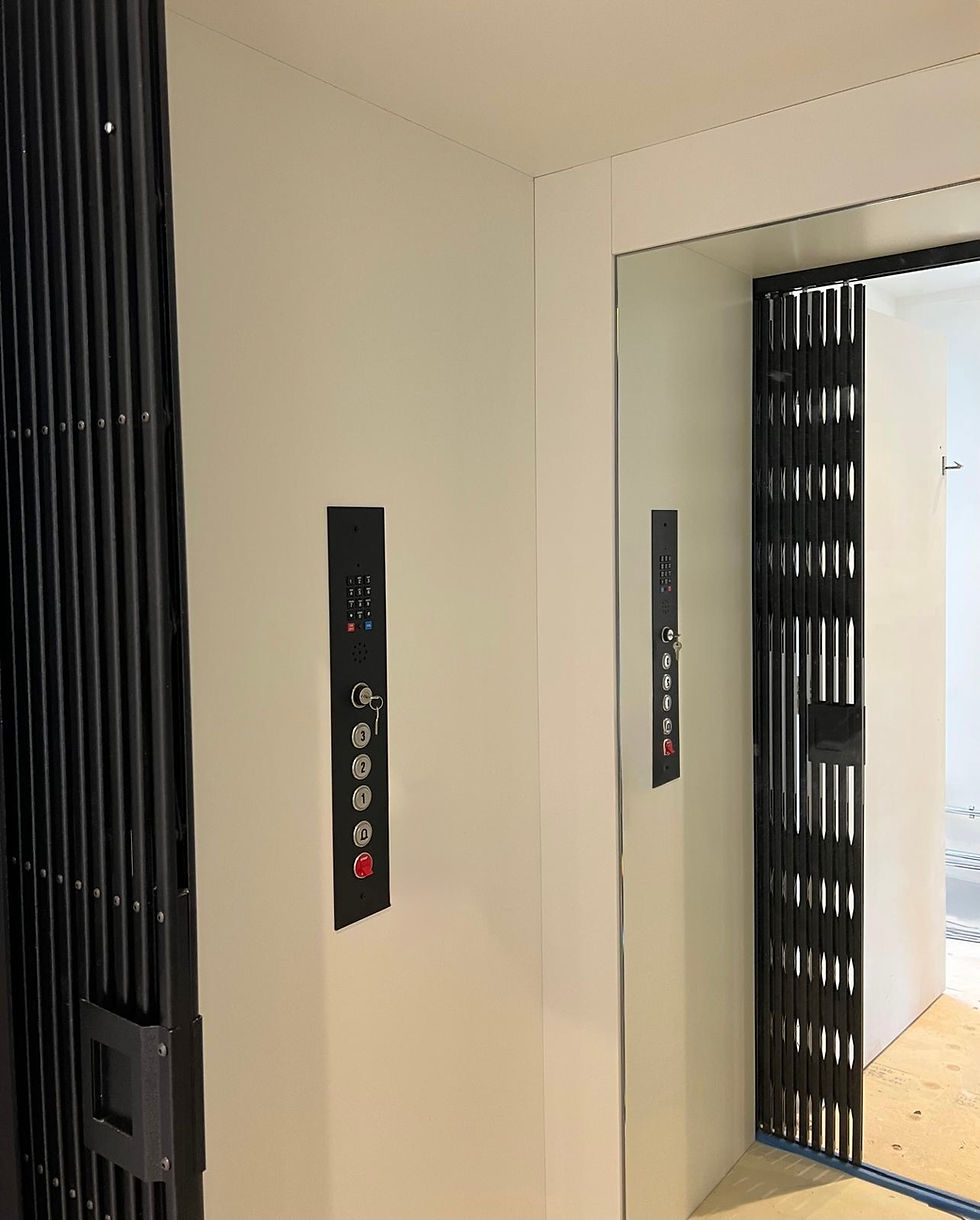
For new builds, the Sabre Aurora Home Elevator is the definitive choice. Unlike traditional hydraulic systems that require a mechanical room and fail instantly during a power outage, the Aurora is a Machine-Room-Less (MRL) system that runs on a Hybrid Battery Drive. It plugs into a standard 120V household outlet to keep its batteries charged. If a winter ice storm knocks out the power in your neighbourhood, your elevator will continue to run for up to 25 continuous cycles.
Take the Next Step
Before you sign your purchase agreement this year, speak with your builder about incorporating an elevator shaft into the design.
To see exactly how a Sabre elevator fits into your newly expanded budget, use our Instant Price Estimator today for a real-time, no-obligation cost range.
Frequently Asked Questions: 2026 Ontario HST Rebate & Home Elevators
What is the 2026 Ontario HST rebate for new homes? Announced in March 2026, the Ontario and federal governments have temporarily eliminated the 13% HST on the purchase of new homes. For purchase agreements signed between April 1, 2026, and March 31, 2027, buyers can receive a maximum rebate of $130,000 on properties valued up to $1.5 million.
Do I have to be a first-time homebuyer to get the HST rebate? No. The 2026 expansion has opened the rebate up to all eligible buyers. Whether you are upgrading, downsizing, or building a custom forever home to age in place, you can qualify for the tax savings.
What is the difference between the HATC and the 2026 HST rebate? It is easy to confuse the two! The HATC (Home Accessibility Tax Credit) is a program that gives you up to a $3,000 tax credit specifically for mobility renovations, like adding an elevator or ramp. The expanded 2026 HST Rebate is much larger; it removes the 13% sales tax from the purchase of the entire newly built home.
Why is a new build the best time to install a home elevator? Incorporating an elevator shaft (hoistway) into your original architectural blueprints is significantly more cost-effective than trying to retrofit an existing home later. Using your HST savings to fund the elevator during the initial framing stage ensures seamless integration and instantly boosts the property's premium resale value.
Will the Sabre Aurora elevator work during a power outage? Yes. Unlike traditional systems that fail when the Ontario grid goes down, the Sabre Aurora Home Elevator features a Hybrid Battery Drive. It plugs into a standard 120V outlet to stay charged full-time, ensuring it provides up to 25 continuous cycles even during a severe winter blackout.

Comments