
The Hidden Risks of Using Screw Drive Home Elevators Beyond Two Floors

Updated: Sep 2, 2025
Home elevators are increasingly popular in modern residential design. They offer convenience and accessibility, making them an attractive choice for many homeowners. Among these, screw drive systems are new to the market in Canada and stand out for their simplicity and cost-effectiveness. However, when used beyond two floors, they present considerable risks. This post explores these hidden dangers, equipping homeowners with essential insights before making a potentially costly decision.
Understanding Screw Drive Home Elevators
Screw drive elevators employ a screw mechanism to lift and lower the elevator car. They are celebrated for their easy installation and minimal maintenance. Yet, these advantages can quickly diminish when these systems are applied in homes spanning multiple stories.
Their compact design allows for installation in tighter spaces compared to traditional hydraulic or traction elevators. According to a survey by the National Association of Home Builders, about 20% of new homes now feature elevators. However, screw drive systems may not be the best choice for homes exceeding two floors due to their mechanics.
As the number of floors increases, the limitations of screw drive systems become apparent. The mechanics of these elevators can result in increased wear and tear, diminished efficiency, and even safety hazards.
Mechanical Limitations
The primary concern with screw drive elevators lies in their mechanical design. The screw mechanism relies on a single screw to lift the elevator car. As the height increases, the strain on this screw intensifies, particularly when carrying heavy loads.
For example, suppose a screw drive elevator is used to transport an average of 400 pounds (the combined weight of several passengers). In that case, the screw might struggle to maintain optimal efficiency, resulting in slower operations and higher energy usage. A study showed that elevators operating under consistent load stresses are 30% more likely to experience mechanical failure.
Moreover, misalignment can occur over time due to wear and tear. This misalignment might cause the elevator to become stuck, leading to frustration and potential safety risks. These issues are especially concerning in systems initially designed for two floors, as they simply cannot endure the extra burden of higher elevations.
Safety Concerns
Safety remains a crucial issue when it comes to home elevators. While screw drive systems can be safe for short distances, their use beyond two floors can lead to dangerous situations. Among screw drive elevators in residential buildings, reports indicate that failure rates can rise by as much as 50% when used for multiple stories.
For instance, if the screw mechanism fails while in operation, the elevator car could drop suddenly, presenting a serious injury risk for passengers. Additionally, many screw drive elevators lack advanced safety features such as emergency brakes or backup systems, contributing to these risks.
In fact, a 2022 report highlighted that of all residential elevator incidents, screw drive systems accounted for 12% of mechanical failures that resulted in injury. This statistic underlines the importance of reconsidering the use of screw drive elevators for multi-story homes.
Regulatory Compliance
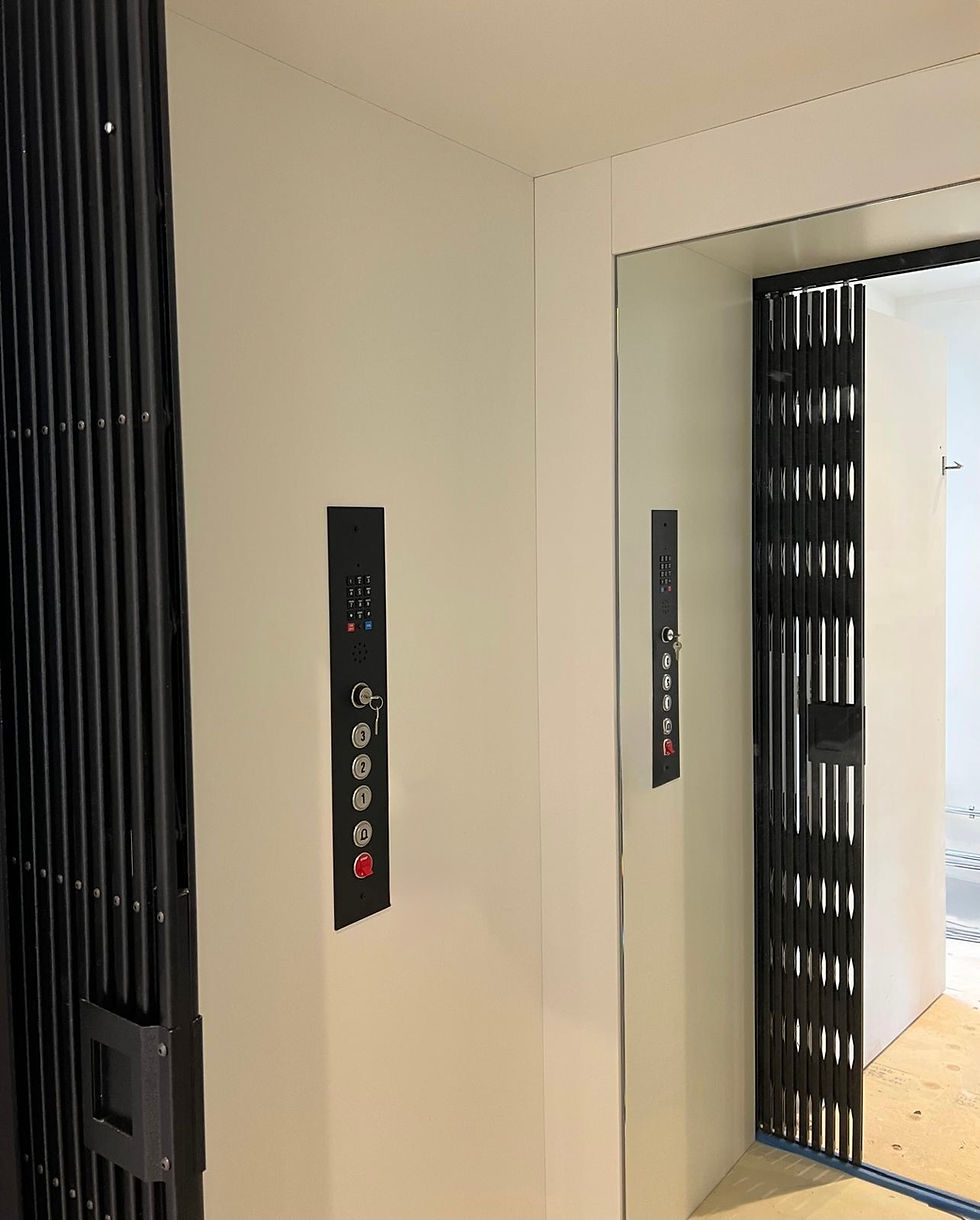
Regulatory compliance is another vital factor when considering home elevators. Most building codes exist to ensure the safety and reliability of elevators in residential settings. Unfortunately, many screw drive elevators do not meet the required standards for use beyond two floors. These screw drive elevators complete with glass hoistways, no cab walls and no car gates may look great, but they do not meet code in Canada.
Neglecting to ensure compliance can have severe repercussions, including legal fines or increased insurance costs. It is crucial to consult local regulations before permitting a screw drive elevator installation to avoid unexpected financial burdens.
Cost Implications
While screw drive elevators may appear to be a budget-friendly option initially, they can lead to substantial long-term costs. Increased maintenance needs due to mechanical wear can rapidly erase any upfront savings. In fact, statistics show that homeowners can spend anywhere from $500 to $2,000 annually just on maintenance for poorly performing screw drive systems.
Moreover, should safety violations arise, homeowners might incur hefty renovation costs. Upgrading to a compliant system could range from $30,000 to $50,000 depending on the existing setup and the technology chosen. Investing in an elevator system better suited for multi-story use ultimately may yield more savings and safety in the long run.
Alternative Elevator Options
For those considering an elevator for a multi-story home, exploring reliable alternatives is critical. Hydraulic and traction elevators are two robust options better suited for homes with more than two floors.
DC Belt Drive: DC Belt Drive Elevators operate using a belt-driven mechanism and battery power, providing smooth and efficient means of vertical transportation and do not require a machine room.
Traction Elevators: These elevators utilize a pulley system, enabling them to handle greater weights and heights efficiently.
These alternatives and their long-term benefits regarding safety and compliance make them a smarter choice for multi-story homes.
Making Informed Choices
While screw drive home elevators might seem convenient, their use beyond two floors can involve significant challenges. When evaluating options for greater mobility within a residence, it's essential to consider mechanical limitations, safety factors, compliance with regulations, and total costs.
Choosing a more reliable elevator system designed for higher elevations can enhance the safety and comfort of a home while sparing homeowners from unforeseen risks associated with screw drive elevators.

Ultimately, taking the time to make informed elevator choices leads to a safer and more accessible living environment for everyone.

Comments